
Teams like Liverpool should make the pitch smaller in possession
21 December 2025
Liverpool have struggled this season in attack and one of the main reasons is spacing. They’re too spread out. Manchester City faced the same problem and solved it by making the pitch smaller in possession. Teams like Liverpool should do the same.
City abandoned one of Pep Guardiola’s core principles of play; making the pitch as big as possible in possession. This season, their wingers have license to leave the touchline and join the center of the pitch, with at times no fullback rushing to replace them. Against high pressing teams like Bournemouth and Liverpool, City keep tighter distances between players. It’s working.
When you lack a speed advantage in a straight line, shorter spacing helps shift momentum. When the opposition doesn’t offer you space, you must create it. Persisting with larger distances is no longer the way to regain control.
The Problem: Playing “Ping Pong”
The opponent marks you man-to-man. Everywhere you go, they follow. There is no free man.
They step forward with every pass. They squeeze you into corners and wait for mistakes. Eventually they force you to punt the ball long out of your own half.
It becomes a game of ping pong. You clear it, reset, try to win it back. But this is what they want. They live in the mud. They enjoy chasing. They trap you in one-on-one duels that become a two- or three-on-one. Their forwards train weekly in these conditions. They have an edge when you play their game.
And that long aerial pass to no one? It gives the opposing team time to shift into position.
The Solution
When you have technical superiority but no speed advantage, tighter spacing is the more effective way to play out of pressure.
A CIES Football Observatory study using SkillCorner data from 7,050 matches across 28 leagues argues that retaining possession under high-intensity pressure is shaped not only by individual quality, but also by team context—such as teammate proximity/passing options/compactness—and notes that a player “on his own” under pressure will find it harder to keep the ball than one with more nearby options.
In other words, more passing options due to tighter spacing directly improve ball retention when pressed.
How It Works: Manchester City vs Bournemouth
Abandon the wings. Start with shorter spacing, draw the opposition in, then escape and attack the space behind them.
Bournemouth press high. Every City player is marked man-to-man.
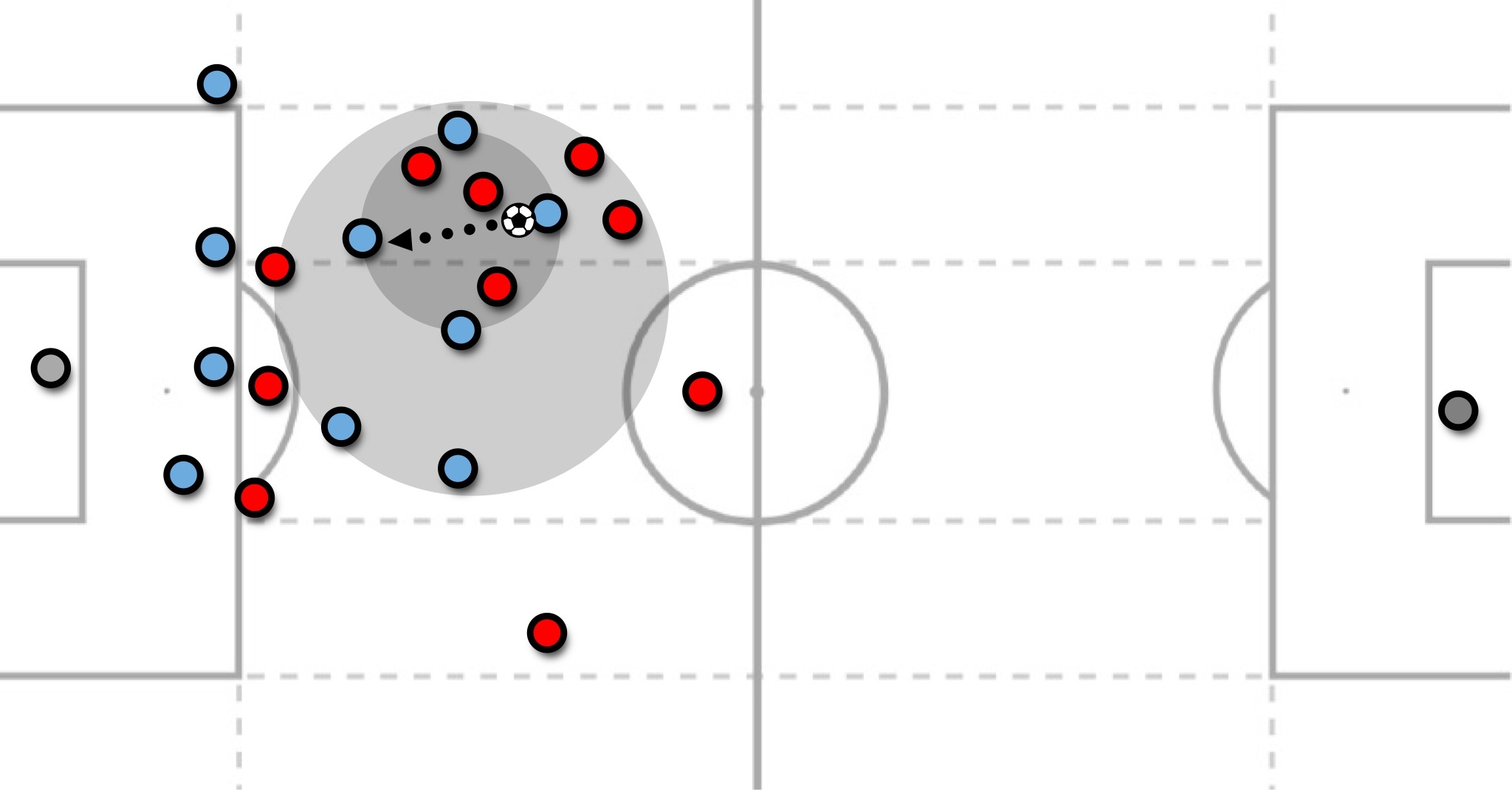
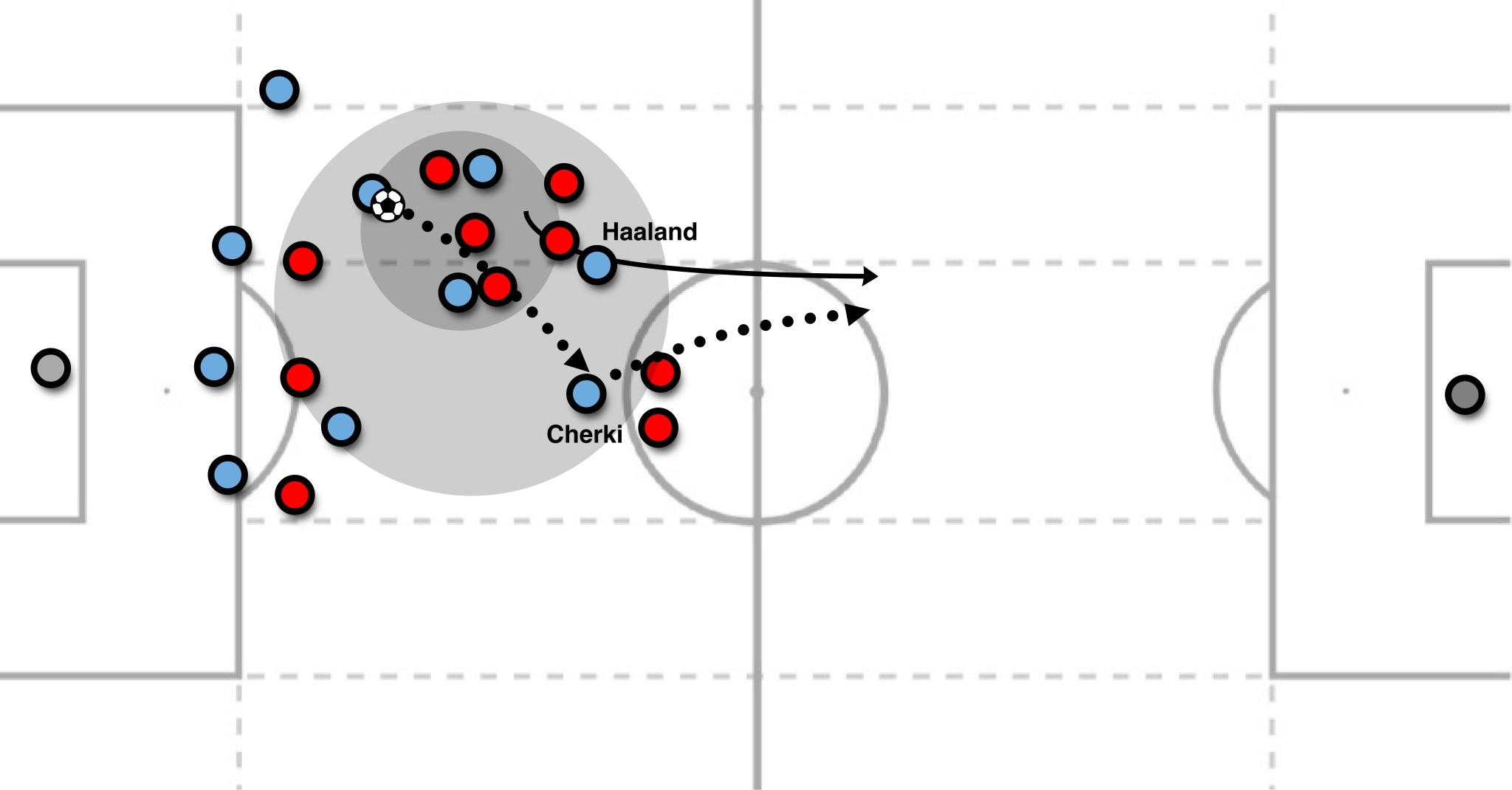
City connect a series of short passes that draws Bournemouth in further, then expand and release Erling Haaland—the one player who gives them the speed advantage—for the first goal.
They repeat this until they gain control. Once they do, they spread out again, returning to what’s familiar.
The Exception: When To Expand
When you have clear advantages in both speed and technique, stretching the pitch makes sense.
Think of PSG with Kvaratskhelia and Vitinha, Bayern Munich with Olise and Kane, Barcelona with Yamal and Pedri. They have more than one way to beat their man in isolation.
Increase spacing, use your athleticism to force the defense to expand. Beat your man and drag defenders away from teammates. The opposition abandons their marks to cover, and suddenly they’re stuck in their own half.
Defenders contract toward the ball like a magnet. Break past them and they’re forced to expand.
What It Means For Liverpool
Last season, Liverpool had that lethal combination: technical ability and athleticism in midfield, pace in attack with Diaz, Nunez, and Salah.
This season, the dynamics have changed. They lost that speed advantage and must adapt.
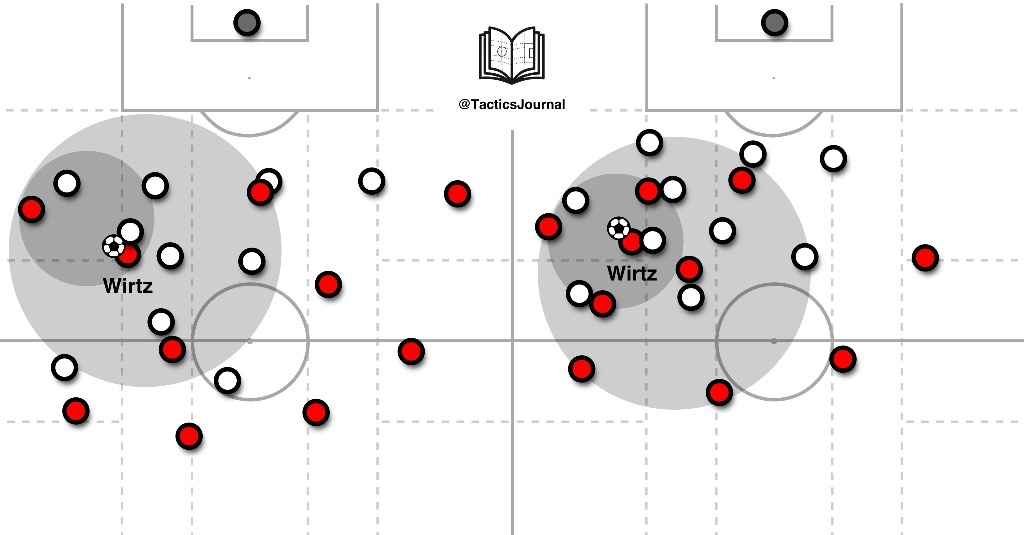
Liverpool have a technical advantage over Brighton but not a speed advantage. They need to connect passes and combine to progress past Brighton’s press.
Would you rather their attacking players be 5 to 10 yards apart or 15 to 30?
When spacing becomes too large, players like Gakpo, Wirtz, and Ekitike get smothered in isolation. These are players who thrive in tight spaces and short-passing combinations—as a collective, not as individuals stranded on islands.
When they shorten distances, like they did against Inter Milan and Brighton, they play to their strengths.
The Blueprint
This is not an overload for the sake of an overload.
It’s a short period of a match where you use the ball to attract pressure, which creates space to attack.
Use technical ability and intelligence to force the opponent to dismark and expand. Not one pass and a dribble—a series of short passes with constant movement. Make it harder for the pressing team to isolate the ball carrier, then use relational tools: one-twos, give-and-gos, wall passes, combinations on the diagonal.
A byproduct: tighter spacing in attack makes it easier to defend if you lose the ball. You’re already compact. Now the opponent plays your game.
Once you escape pressure, the pitch opens. The press is broken. Now you attack the space they vacated—wide areas, channels, over the top. The same defenders who squeezed you moments ago are now scrambling to recover shape.
This should serve as a blueprint for teams with similar deficiencies. Correcting the spacing is the first step.
2026
January
- 18th
2025
December
- 26th
- 21st
- 16th
- 7th
- 3rd
November
- 29th
- 24th
- 20th
- 14th
- 12th
- 8th
- 7th
- 4th
- 2nd
October
- 31st
- 28th
- 22nd
- 20th
- 19th
- 12th
September
- 30th
- 28th
- 26th
- 24th
- 23rd
- 20th
- 18th
- 16th
- 14th
- 4th
- 3rd
- 1st
August
- 28th
- 27th
- 26th
- 25th
- 24th
- 23rd
- 20th
- 17th
- 14th
- 12th
- 10th
- 8th
- 4th
July
- 10th
- 5th
- 4th
June
- 29th
- 14th
- 13th
- 12th
- 2nd
May
- 29th
- 25th
- 22nd
- 20th
- 15th
- 8th
April
- 30th
- 9th
March
- 28th
- 5th
February
- 26th
- 20th
- 19th
- 12th
- 8th
January
- 31st
- 30th
- 16th
- 12th
- 9th
- 8th
- 7th
- 6th
- 5th
- 4th
- 3rd
- 2nd
- 1st
2024
December
- 31st
- 30th
- 29th
- 28th
- 27th
- 26th
- 25th
- 24th
- 23rd
- 22nd
- 21st
- 20th
- 19th
- 18th
- 17th
- 16th
- 15th
- 14th
- 13th
- 12th
- 11th
- 10th
- 9th
- 8th
- 7th
- 6th
- 5th
- 4th
- 3rd
- 2nd
- 1st
November
- 30th
- 29th
- 28th
- 27th
- 26th
- 25th
- 24th
- 23rd
- 22nd
- 21st
- 20th
- 19th
- 18th
- 18th
- 16th
October
- 21st
- 12th
- 11th
- 9th
- 7th
- 6th
- 4th
- 3rd
- 2nd
- 1st
September
- 30th
- 29th
- 27th
- 26th
- 25th
- 24th
- 23rd
- 22nd
- 21st
- 20th
- 19th
- 18th
- 17th
- 16th
- 15th
- 14th
- 13th
- 12th
- 11th
- 10th
- 9th
- 8th
- 7th
- 6th
- 5th
- 4th
- 4th
- 3rd
- 2nd
- 1st
August
- 31st
- 30th
- 29th
- 28th
- 27th
- 26th
- 25th
- 25th
- 24th
- 23rd
- 22nd
- 21st
- 20th
- 20th
- 19th
- 19th
- 18th
- 17th
- 16th
- 15th
- 14th
- 14th
- 13th
- 12th
- 11th
- 10th
- 9th
- 8th
- 7th
- 7th
- 6th
- 5th
- 4th
- 3rd
- 2nd
- 1st
July
- 31st
- 30th
- 29th
- 28th
- 27th
- 26th
- 25th
- 24th
- 23rd
- 22nd
- 21st
- 20th
- 19th
- 18th
- 17th
- 16th
- 15th
- 15th
- 14th
- 13th
- 11th
- 10th
- 9th
- 8th
- 7th
- 6th
- 5th
- 4th
- 3rd
- 2nd
- 1st
June
- 30th
- 29th
- 28th
- 27th
- 26th
- 25th
- 24th
- 23rd
- 22nd
- 21st
- 20th
- 19th
- 18th
- 17th
- 16th
- 15th
- 14th
- 13th
- 12th
- 11th
- 10th
- 9th
- 8th
- 7th
- 6th
- 5th
- 4th
- 3rd
- 2nd
- 1st
May
- 31st
- 30th
- 29th
- 28th
- 27th
- 26th
- 25th
- 24th
- 23rd
- 22nd
- 21st
- 20th
- 20th
- 19th
- 18th
- 17th
- 16th
- 15th
- 14th
- 13th
- 12th
- 11th
- 10th
- 9th
- 8th
- 7th
- 6th
- 5th
- 4th
- 3rd
- 2nd
- 1st
April
- 30th
- 29th
- 28th
- 27th
- 26th
- 25th
- 24th
- 23rd
- 22nd
- 21st
- 20th
- 19th
- 17th
- 16th
- 15th
- 14th
- 13th
- 12th
- 11th
- 10th
- 9th
- 8th
- 7th
- 6th
- 5th
- 3rd
- 2nd
- 1st
March
- 31st
- 30th
- 29th
- 28th
- 27th
- 26th
- 25th
- 24th
- 23rd
- 21st
- 20th
- 19th
- 18th
- 17th
- 16th
- 15th
- 14th
- 13th
- 12th
- 11th
- 10th
- 9th
- 8th
- 7th
- 6th
- 5th
- 4th
- 3rd
- 1st
February
- 28th
- 27th
- 26th
- 25th
- 23rd
- 22nd
- 21st
- 20th
- 18th
- 15th
- 14th
- 13th
- 12th
- 11th
- 8th
- 7th
- 6th
- 5th
- 4th
- 3rd
- 2nd
- 1st
January
- 31st
- 30th
- 29th
- 28th
- 27th
- 25th
- 24th
- 22nd
- 21st
- 20th
- 18th
- 17th
- 16th
- 15th
- 14th
- 13th
- 12th
- 11th
- 9th
- 8th
- 7th
- 6th
- 5th
- 4th
- 3rd
- 2nd
- 1st
2023
December
- 31st
- 29th
- 28th
- 27th
- 25th
- 24th
- 22nd
- 21st
- 20th
- 19th
- 18th
- 17th
- 16th
- 15th
- 13th
- 12th
- 11th
- 10th
- 8th
- 7th
- 6th
- 4th
- 3rd
- 2nd
- 1st
November
- 30th
- 29th
- 28th
- 27th
- 26th
- 25th
- 24th
- 23rd
- 22nd
- 21st
- 20th
- 18th
- 17th
- 16th
- 15th
- 14th
- 13th
- 12th
- 11th
- 10th
- 9th
- 8th
- 7th
- 6th
- 5th
- 4th
- 3rd
October
- 31st
- 30th
- 29th
- 27th
- 26th
- 25th
- 24th
- 23rd
- 22nd
- 19th
- 17th
- 15th
- 14th
- 13th
- 12th
- 11th
- 10th
- 9th
- 8th
- 7th
- 6th
- 5th
- 4th
- 1st
September
- 30th
- 28th
- 26th
- 25th
- 24th
- 22nd
- 21st
- 20th
- 19th
- 18th
- 17th
- 9th
- 3rd
August
- 31st
- 28th
- 27th
- 26th
- 21st
- 20th
- 15th
- 14th
- 13th
- 12th
- 7th
- 4th
- 3rd
July
- 31st
- 30th
- 28th
- 27th
- 25th
- 24th
- 23rd
- 22nd
- 21st
- 20th
- 19th
- 18th
- 17th
- 16th
- 15th
- 14th
- 13th
- 12th
- 11th
- 10th
- 9th
- 8th
- 7th
- 6th
- 5th
- 4th
- 3rd
June
- 11th
- 10th
- 7th
- 5th
- 4th
- 1st
May
- 28th
- 27th
- 26th
- 25th
- 24th
- 23rd
- 22nd
- 21st
- 20th
- 19th
- 18th
- 17th
- 16th
- 15th
- 14th
- 13th
- 11th
- 10th
- 9th
- 8th
- 7th
- 5th
- 4th
- 3rd
- 2nd
- 1st
April
- 29th
- 28th
- 27th
- 26th
- 25th
- 24th
- 23rd
- 22nd
- 22nd
- 21st
- 20th
- 2nd
March
- 6th
February
- 27th
- 20th
- 5th
January
- 19th